Editorial – volume 03 Issue 40
What Do We Owe One Another?
Introduction
The dates ahead of us are not simply occasions to remember people or mark events. They raise a more demanding question: what do we owe one another? The scholars we remember remind us of the responsibility of knowledge; Rumi, of the inner life; the observances dedicated to Deaf people and older persons, of dignity and inclusion; Teachers’ Day, of the responsibility of education; and the Day of Non-Violence, of the moral limits we place upon our response to conflict. Read together, these occasions offer a useful framework for asking how Islamic values can shape the way we learn, teach, disagree, care for others and live together in the present world.
08th Mehr / 30th September: Rumi Commemoration Day
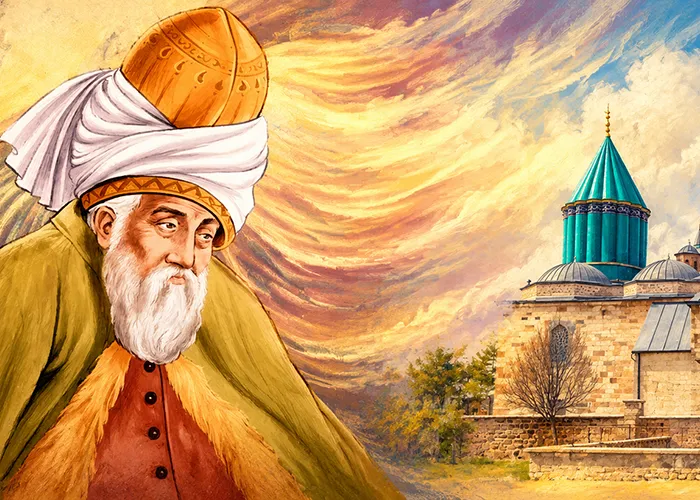
Rumi, or Mawlānā Jalāl al-Dīn Muhammad Balkhī Rūmī (1207–1273), was a Persian poet, theologian and Sufi thinker whose family eventually settled in Konya in Anatolia. His encounter with Shams al-Dīn of Tabriz in 1244 profoundly influenced the direction of his spiritual and literary life. His Masnavi-ye Maʿnavi and Dīvān-e Shams became enduring landmarks of Persian and Islamic literature.
Message for today: Let knowledge move beyond information and become wisdom, character and a deeper relationship with God.
30 September: World Deaf Day / Awareness of Deaf People
This day stresses that early access to sign language and quality education in sign language are crucial to the development and rights of Deaf people; in 2026 the international theme is “Declaring deaf people’s human rights”. Modern societies are challenged to remove communication and educational barriers rather than treating disability as a reason for exclusion. More than 1400 years ago, Islam grounds human dignity in humanity and righteousness, not physical ability or social status:
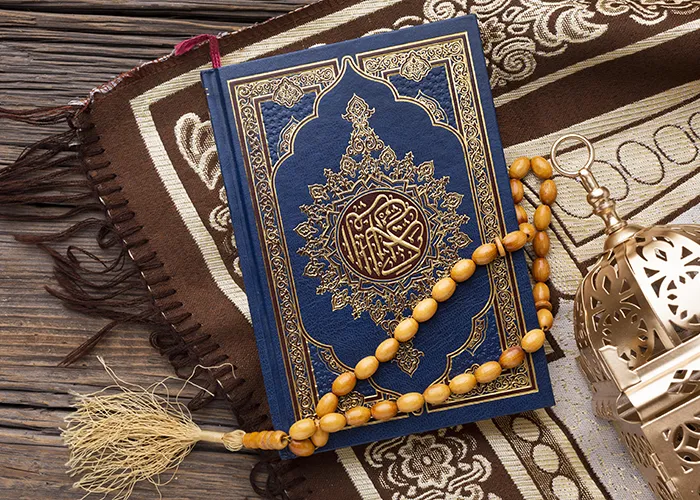
إِنَّ أَكْرَمَكُمْ عِنْدَ اللَّهِ أَتْقَاكُمْ ۚ إِنَّ اللَّهَ عَلِيمٌ خَبِيرٌ
“Surely the most noble of you in the sight of Allah is the most righteous of you. Allah is All-Knowing, All-Aware.” (Qur’an 49:13)
Message for today: Build mosques, schools and communities in which Deaf Muslims are not merely welcomed, but fully heard, taught and included.
1 October: International Day of Older Persons
As populations age across the world, societies must address loneliness, discrimination, healthcare, economic security and meaningful participation; Islam places particular emphasis on honouring parents and treating old age with mercy and dignity. The Holy Quran says:
وَقَضَىٰ رَبُّكَ أَلَّا تَعْبُدُوا إِلَّا إِيَّاهُ وَبِالْوَالِدَيْنِ إِحْسَانًا ۚ إِمَّا يَبْلُغَنَّ عِندَكَ الْكِبَرَ أَحَدُهُمَا أَوْ كِلَاهُمَا فَلَا تَقُلْ لَهُمَا أُفٍّ وَلَا تَنْهَرْهُمَا وَقُلْ لَهُمَا قَوْلًا كَرِيمًا
“Your Lord has decreed that you worship none but Him, and honour your parents. If one or both of them reach old age in your care, never say to them even ‘ugh’, nor yell at them; rather, address them respectfully.” (Qur’an 17:23)
Message for today: A society that honours its elderly preserves its memory, its wisdom and its moral continuity.
2 October: International Day of Non-Violence
In a world affected by armed conflict, hate speech, domestic violence and social polarisation, non-violence day calls people to seek peaceful means of resolving disputes. Islam goes far beyond merely condemning violence; it calls believers to respond to the wrongs of others with restraint and kindness. The Holy Quran says:
وَلَا تَسْتَوِي الْحَسَنَةُ وَلَا السَّيِّئَةُ ۚ ادْفَعْ بِالَّتِي هِيَ أَحْسَنُ فَإِذَا الَّذِي بَيْنَكَ وَبَيْنَهُ عَدَاوَةٌ كَأَنَّهُ وَلِيٌّ حَمِيمٌ
“Good and evil are not the same. Repel evil with what is better, and then the one between whom and you there was enmity will become as though he were a devoted friend.” (Qur’an 41:34)
Message for today: Non-violence is not passivity; it is the disciplined choice to resist injustice without surrendering one’s moral principles to hatred.
21 Rabīʿ al-Thānī / 3 October: Commemoration of the Passing of Mullā Muḥsin Fayḍ Kāshānī
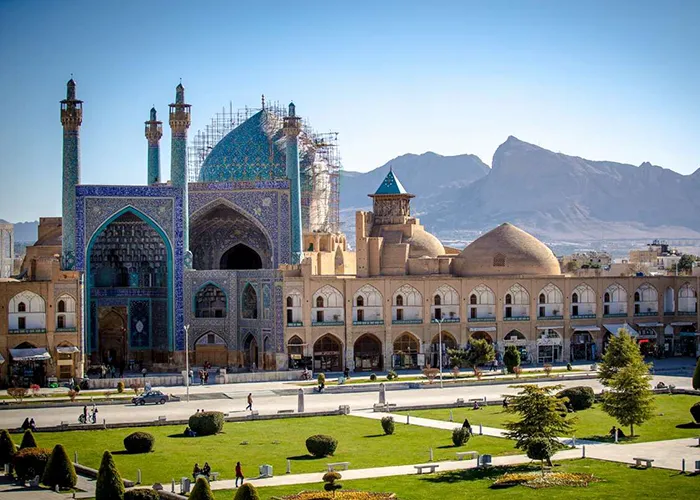
Mullā Muḥsin Fayḍ Kāshānī (1007–1090/1091 AH; 1598/1599–1679 CE) was one of the most prolific and versatile scholars of the Safavid period, with major contributions to Qur’anic studies, hadith, jurisprudence, ethics, philosophy and spirituality. He studied in Isfahan and Shiraz and was closely connected intellectually with figures such as Bahāʾ al-Dīn al-ʿĀmilī and Mīr Dāmād; he spent his final years in Kāshān. Fayḍ’s life demonstrates that transmitted religious knowledge, rational inquiry, ethics, and spiritual self-purification can be brought together—a model that is especially relevant in today’s world.
Message for today: Let us learn about our great religious scholars and introduce them to our children, so that they may serve as intellectual and practical role models for them.
22 Rabīʿ al-Thānī / 4 October: Commemoration of the Passing of Mullā Aḥmad Narāqī
Mullā Aḥmad Narāqī (c. 1185–1245 AH) was a prominent Shi’a jurist, scholar, writer and poet of the Qajar period and the son of the renowned scholar Mullā Muḥammad Mahdī Narāqī. Among his best-known works are ʿAwāʾid al-Ayyām, Mustanad al-Shīʿa, Miʿrāj al-Saʿāda and Kharāʾin; he died during the widespread cholera epidemic affecting Kāshān and the surrounding region and was buried in Najaf beside his father. Narāqī’s scholarly legacy demonstrates the importance of addressing the real questions of one’s own age through serious jurisprudential, ethical and intellectual work rather than treating religious scholarship as detached from society.
Message for today: Religious scholarship must remain rooted in revelation while responding responsibly to the needs and realities of its time.
5 October: World Teachers’ Day
At a time when teachers face technological change, pressure on education systems, displacement, inclusion challenges and changing social expectations, supporting teachers is inseparable from protecting the quality of education. Islam places extraordinary value on learning and teaching: the first revealed command begins with “Read”, while the Qur’an repeatedly associates knowledge with human responsibility and spiritual growth.
Message for today: Let us not limit the role of teaching to schoolteachers alone. Each of us is a teacher in our own way – a teacher to our spouse, children, friends, family members, and even ourselves. Let us fulfil our role as teachers with care and responsibility.
editor's pick

news via inbox
Subscribe to the newsletter.