Editorial – volume 03 Issue 43
From the Lessons of History to the Ethics of the Digital Age
Introduction
Every week brings an opportunity to rediscover the wisdom of our religious and intellectual heritage and apply it to the challenges of contemporary life. The Battle of the Camel, the birth of Nasir al-Din al-Tusi, the letters of Imam Ali (pbuh) after the battle, and Global Media and Information Literacy Week invite us to reflect on four enduring responsibilities: preserving peace, pursuing knowledge, practising justice and communicating truthfully.
10 Jumada al-Awwal: Start of The Battle of the Camel
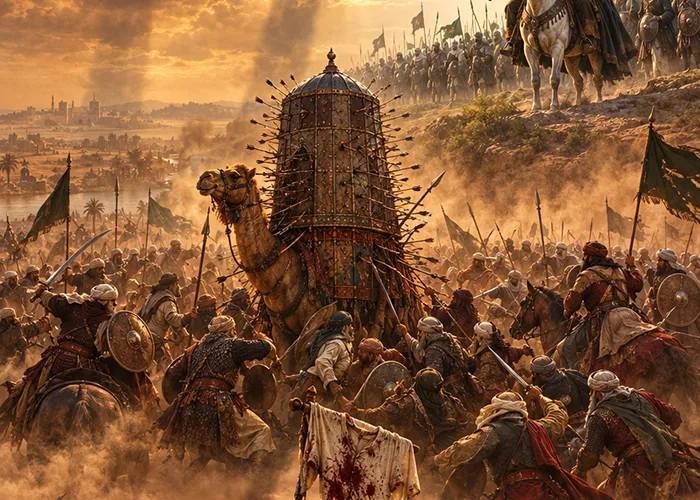
The Battle of the Camel was the first major sedition against Imam Ali (peace be upon him) after he accepted the caliphate of the Muslim community. In this battle, Talha and Zubayr, accompanied by Aisha, the wife of the Messenger of God (peace and blessings be upon him and his family), rebelled against the Commander of the Faithful under the pretext of seeking retribution for Uthman’s death. For this reason, they became known in Islamic history as the “Nakithun” (the Oath-Breakers).
The main reason Talha and Zubayr instigated this war was their frustration at failing to secure positions of leadership and obtain control of Basra, Kufa, or Syria from the Commander of the Faithful. The battle took place near Basra, where large numbers of people from both sides were killed. Ultimately, the war ended in Imam Ali’s victory (peace be upon him). This battle demonstrates how some individuals regarded as prominent figures and leaders in a society can conceal their true intentions behind false pretences and sacrifice society for their own personal interests.
Message for Today: Do not readily accept the words and slogans of those who have a loud voice in society. Instead, examine and critically evaluate their claims with care.
11 Jumada al-Awwal: The Birth of Nasir al-Din al-Tusi
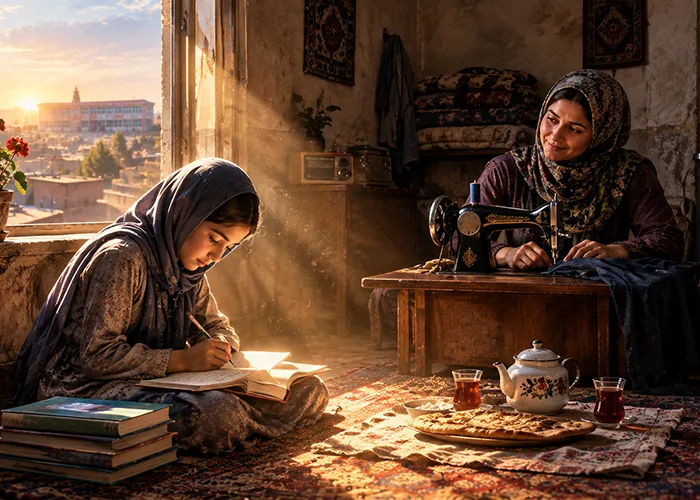
Khwaja Nasir al-Din al-Tusi was born in Tus, in Iran, and became one of the most distinguished Muslim scholars of the medieval period, making influential contributions to mathematics, astronomy, philosophy, theology and ethics. Al-Tusi’s intellectual legacy reminds us that the pursuit of knowledge is a vital responsibility in Islam, particularly when learning advances human understanding, strengthens education and serves the common good. The Qur’an declares:
قُلْ هَلْ يَسْتَوِي الَّذِينَ يَعْلَمُونَ وَالَّذِينَ لَا يَعْلَمُونَ
“Say, ‘Are those who know equal to those who do not know?’” (Qur’an 39:9)
Message for Today: Encourage scientific curiosity, critical thinking and lifelong learning, and ensure that knowledge is guided by wisdom, humility and ethical responsibility.
12 Jumada al-Awwal: Imam Ali’s Letters after the Battle of the Camel
After his victory in the Battle of the Camel, Imam Ali (peace be upon him) composed and sent three letters: one to the people of Medina, one to the people of Kufa, and one to his esteemed sister, Umm Hani. With his political wisdom and spiritual insight, Imam Ali (peace be upon him) considered it appropriate, in light of the circumstances of the time, to express his appreciation and gratitude to the people of Medina, who had been among the first to support him, as well as to the people of Kufa, who constituted the largest and most important part of his army. On a personal and emotional level, he also felt it was his duty to inform his esteemed sister and the other members of his family who had remained in the Hijaz about this momentous journey.
Message for Today: Expressing gratitude to those who have stood by us during difficult times is both a religious and a moral duty.
24–31 October: Global Media and Information Literacy Week
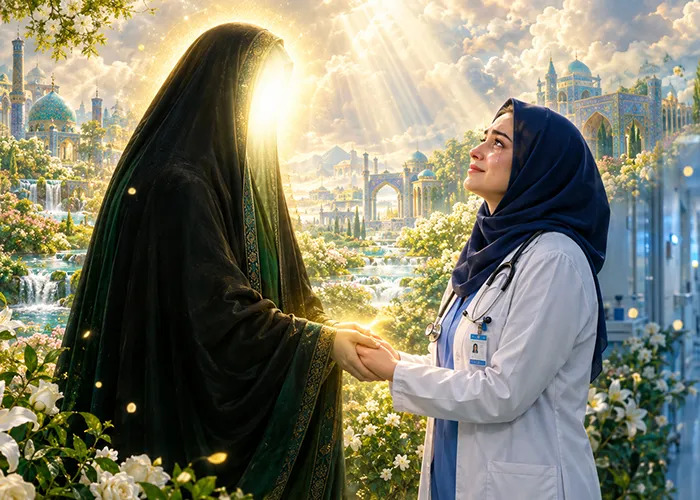
Global Media and Information Literacy Week is an international observance held annually from 24 to 31 October to promote the skills people need to access, evaluate, understand and use information responsibly. In an age of misinformation, manipulated images and AI-generated content, Islam’s emphasis on verification, honesty and responsible speech provides an essential ethical framework for digital citizenship. The Qur’an instructs believers:
يَا أَيُّهَا الَّذِينَ آمَنُوا إِنْ جَاءَكُمْ فَاسِقٌ بِنَبَإٍ فَتَبَيَّنُوا
“O you who believe! If an evildoer brings you news, verify it.” (Qur’an 49:6)
This principle calls for careful verification before sharing information, especially when a claim could harm someone’s reputation, deepen social divisions or mislead the public.
Message for Today: Verify before sharing, distinguish evidence from opinion, question unreliable sources and use digital platforms to promote truth, understanding and the common good.
editor's pick

news via inbox
Subscribe to the newsletter.