
Ayah Of The Week – Volume 03 Issue 42
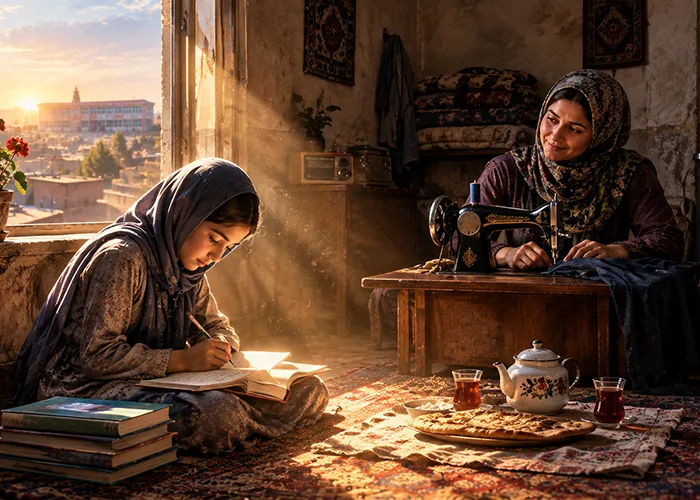
The Seed of Generosity: Islamic Giving as a Path to a Fairer and More Compassionate Society
Occasion for Ayah Reflection: 17 October: The International Day for the Eradication of Poverty
Introduction:
Islam offers a comprehensive and long-established framework of economic and social principles to promote a prosperous society in which opportunities and wealth are distributed more fairly. Infaq (spending in the way of Allah) is one of these principles. On this occasion, we reflect on a Qur’anic verse that teaches us how generosity can multiply goodness and help build a more caring and just world:
مَثَلُ الَّذِينَ يُنْفِقُونَ أَمْوَالَهُمْ فِي سَبِيلِ اللَّهِ كَمَثَلِ حَبَّةٍ أَنْبَتَتْ سَبْعَ سَنَابِلَ فِي كُلِّ سُنْبُلَةٍ مِائَةُ حَبَّةٍ
“The example of those who spend their wealth in the way of Allah is like a grain that grows seven ears, each bearing a hundred grains” (Surah al-Baqarah: 261).
Educational Messages of this Ayah for Teenagers and Youth
- Recognise Your Blessings
Think about what you have – knowledge, health, family and friends – and learn to appreciate these blessings and use them wisely.
Practical challenge: Write down five blessings you have and one way to use each of them for good.
- Share What You Have
Be generous and use your money, time, skills and knowledge to help others.
Practical challenge: Share one of your skills or resources with someone who needs it this week.
- Seek Allah’s Pleasure
Let pleasing Allah be more important than impressing people or winning their approval.
Practical challenge: Do one good deed this week simply to seek Allah’s pleasure.
- Give Without Expecting Anything Back
Do good without expecting thanks or favours in return; trust Allah to reward those who do good.
Practical challenge: Help someone this week without asking for anything in return.
- Be Patient for the Rewards
Do not expect instant results from your good deeds; meaningful goodness often takes time to grow.
Practical challenge: Continue one helpful habit for a month without expecting an immediate reward.
- Never Underestimate Small Beginnings
Even a small gift, a smile or helping a friend learn something can grow into something much greater, just like a single seed.
Practical challenge: Take one small step to help someone today.
- See Giving as an Investment
Giving to others is not simply losing what you have; it is planting seeds of goodness whose rewards can multiply.
Practical challenge: Set aside a small amount of money, time or effort this week to invest in someone else’s well-being.
- Be Generous Online, Too
In a world of social media, use your digital skills to spread God-pleasing content, share reliable information about good causes and challenge online bullying rather than adding to it.
Practical challenge: Share a beautiful hadith from Ahl al-Bayt on social media every day this week.
- Give Without Showing Off
Protect the dignity and privacy of those you support. Do not show off when helping others, just as this Qur’anic verse compares good deeds to planting a seed in the soil.
Practical challenge: Carry out one act of kindness this week without posting about it or telling others.
- Turn Your Talents into Opportunities for Others
Your creativity, energy and knowledge can open doors for people who have fewer opportunities, whether through tutoring, volunteering or helping a young person explore a career.
Practical challenge: Identify one person who could benefit from your skills and offer practical help with a specific goal.
Educational Messages of this Ayah for Parents
- Recognise Your Responsibility to Others
Your wealth is not only for your family; share a fair portion with those in need, trusting Allah rather than focusing solely on material calculations.
Practical challenge: Choose a manageable amount from your family budget this month to support someone in need.
- Let Your Children Take Part in Giving
Allow your children to deliver some of your charitable gifts themselves so they can experience the joy and dignity of helping others.
Practical challenge: Take your children with you to deliver food, clothing or another suitable gift to someone in need, while protecting their dignity and privacy.
- Teach Generosity Through Practice
Show your children how to give their pocket money to people in need or share their knowledge with classmates who are struggling.
Practical challenge: Help your child choose one way to share their money, knowledge or skills this week.
- Make Giving a Family Tradition
Establish a regular family giving plan in which everyone contributes to a charitable or community project.
Practical challenge: Hold a short family meeting and agree on one charitable activity to carry out together every month.
- Share Stories of Blessings
Tell your children how helping others has brought meaningful and unexpected blessings into your life, inspiring them to give with confidence.
Practical challenge: Share one personal story about generosity at your next family meal and invite your children to reflect on it.
- See Parenting as Planting Seeds
The time, energy, lawful earnings and love you invest in your children are not wasted costs; they are seeds that can grow into lasting goodness for generations.
Practical challenge: Set aside fifteen minutes each day this week for an activity that nurtures your child’s faith.
- Raise Children for Allah’s Sake
Make your aim to raise faithful, good-hearted and responsible human beings, rather than children who simply bring you status, praise or personal satisfaction.
Practical challenge: Choose one parenting decision this week and ask yourself whether it serves your child’s character and faith or mainly your own pride.
- Be Patient with Their Growth
Like a seed becoming a fruitful plant, a child’s moral and spiritual development takes time, consistent care and patience rather than instant results.
Practical challenge: Choose one behaviour you want to improve in your child and respond with calm, consistent guidance throughout the week, rather than expecting an immediate change.
- Teach Financial Responsibility Alongside Giving
Help children understand the difference between needs and wants, manage money wisely and set aside a small amount for helping others without neglecting essential family needs.
Practical challenge: Create a simple family giving jar or savings plan and agree together on a worthwhile cause to support.
- Encourage Giving Without Coercion
Explain the spiritual value of Infaq while allowing children to make thoughtful choices about how they contribute, so that generosity grows from understanding and compassion rather than fear or pressure.
Practical challenge: Ask each child to choose one meaningful way to help someone this week and discuss what they learnt from the experience.
Educational Messages of this Ayah for Imams and Teachers
- Broaden the Meaning of Infaq
Explain that Infaq includes more than money; knowledge, skills, time, health, connections and influence can all be used to benefit others.
Practical challenge: Ask your congregation or class to identify three non-financial ways they can contribute to the well-being of others.
- Teach the Importance of Sincere Intentions
Emphasise that the true purpose of giving is to seek Allah’s pleasure, not public recognition or personal praise.
Practical challenge: Begin your next lesson or sermon with a short reflection on sincerity and invite everyone to perform one good deed privately.
- Recognise the Potential in Every Person
Never judge a learner by current performance or a young person by their level of mosque attendance; patient guidance can help them become a source of goodness for many others.
Practical challenge: Identify one overlooked or struggling learner or young person and offer them individual encouragement or support this week.
- Adopt a Farmer’s Patience
Educational and spiritual growth takes time; your duty is to plant good seeds and nurture them patiently, without giving up when results are not immediate.
Practical challenge: Choose one learner or young person to support consistently for a month, recording small signs of progress rather than expecting rapid change.
- Never Underestimate Small Acts of Care
A warm greeting to a withdrawn teenager, an encouraging comment on an exam paper or a patient answer to a difficult question may change someone’s life.
Practical challenge: Perform three small acts of encouragement this week for people who may feel overlooked, discouraged or disconnected.
- Move from Emergency Relief to Lasting Solutions
Alongside immediate assistance, encourage initiatives that address the causes of poverty, such as educational support, vocational training, employment opportunities and financial guidance.
Practical challenge: Bring together community members to identify one sustainable project that could help people improve their livelihoods.
editor's pick

news via inbox
Subscribe to the newsletter.