Editorial – volume 03 Issue 34
From Sacred Memory to Ethical Action: Islam and the Week Ahead
Introduction
The week ahead brings together moments of sacred memory, Islamic scholarship, migration, family, medicine, humanitarian service and the protection of human dignity. For Muslims today, these occasions are not merely dates to be remembered; they are opportunities to turn history into moral guidance and faith into responsible action.
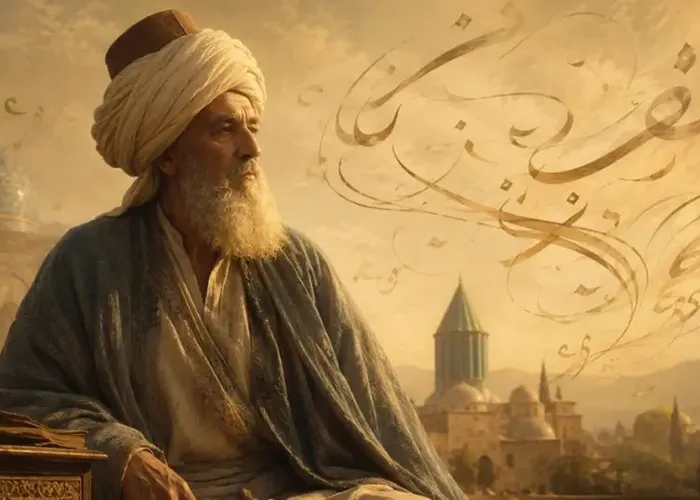
19 August (6 Rabīʿ al-Awwal 604 AH): Mawlānā Jalāl al-Dīn Rūmī’s Birth
Mawlānā Jalāl al-Dīn Muhammad Rūmī was born in Balkh (Persia). He became one of the most influential Muslim mystics and poets, whose works explored divine love, spiritual transformation, knowledge and the human journey towards God.
In an age of polarisation, anxiety and superficial communication, Rūmī’s emphasis on inner purification, mercy and transcending narrow forms of identity remains highly relevant.
Message for today:
Let knowledge deepen our humility, spirituality broaden our compassion, and faith make us better human beings.
19 August: World Humanitarian Day
World Humanitarian Day is observed annually on 19 August to honour humanitarian workers and draw attention to the needs of people affected by war, disasters and other crises.
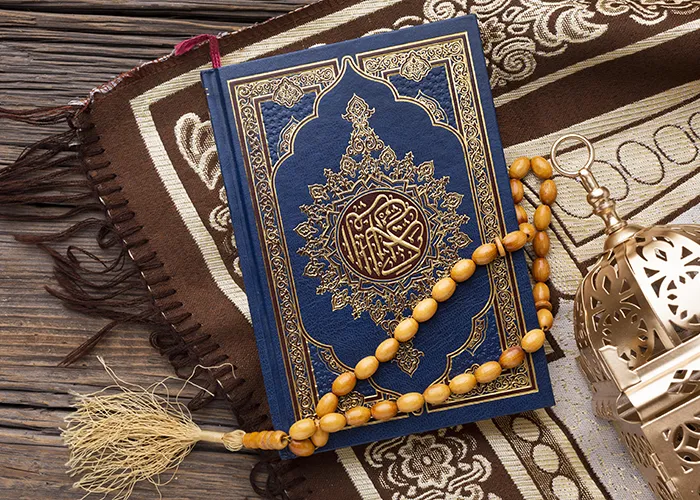
Humanitarian suffering is one of the defining moral challenges of our age. Islam since long time ago commands believers to protect life, relieve suffering and serve people in need, regardless of their nationality, ethnicity or religion. Quran says:
وَمَنْ أَحْيَاهَا فَكَأَنَّمَا أَحْيَا النَّاسَ جَمِيعًا
“And whoever saves one [life] – it is as if he had saved all mankind.” (Qur’an 5:32)
Message for today:
Humanitarian service is not merely charity; it is an expression of our responsibility before God for the dignity and wellbeing of His creation.
21 August: International Day of Remembrance and Tribute to the Victims of Terrorism
The United Nations General Assembly established 21 August as the International Day of Remembrance and Tribute to the Victims of Terrorism in 2017. The Day seeks to honour victims and survivors, ensure that their voices are heard, and promote their human rights and fundamental freedoms.
Over the last 14 centuries, Islam unequivocally condemns the unjust taking of innocent life and rejects the use of violence against civilians as a means of advancing political or religious objectives. Holy Quran says:
مِنْ أَجْلِ ذَلِكَ كَتَبْنَا عَلَى بَنِي إِسْرَائِيلَ أَنَّهُ مَنْ قَتَلَ نَفْسًا بِغَيْرِ نَفْسٍ أَوْ فَسَادٍ فِي الْأَرْضِ فَكَأَنَّمَا قَتَلَ النَّاسَ جَمِيعًا
“For this reason We decreed upon the Children of Israel that whoever kills a person -unless in retribution for murder or for spreading corruption in the land – it is as if he has killed all mankind.” (Qur’an 5:32).
Message for today:
To remember victims, reject terrorism without qualification, and stand for justice and mercy is part of our Islamic duty.
21 August (8 Rabīʿ al-Awwal): Martyrdom of Imam Hasan al-ʿAskarī (ʿa) and the Beginning of the Imamate of Imam al-Mahdī (ʿaj)
The life of Imam al-ʿAskarī (ʿa), the eleventh Imam in Islam. reminds believers that religious leadership is inseparable from patience, integrity, knowledge and steadfastness under oppression. The belief in Imam al-Mahdī (ʿaj) also nurtures hope that justice ultimately prevails, while requiring believers to embody justice in their own lives rather than merely waiting for it.
Message for today:
Hope for the future and anticipation of the reappearance of the Hidden Imam (may Allah hasten his reappearance) must be accompanied by faithfulness, justice, responsibility, and moral courage in the present.
23 August (10 Rabīʿ al-Awwal): The Passing of ʿAbd al-Muṭṭalib
Abd al-Muttalib, the grandfather of the Prophet Muhammad (peace be upon him), was one of the most prominent figures of Quraysh in the early history of Islam. He was not only regarded as the leader of the Banu Hashim clan, but also held important responsibilities such as the custodianship of the Kaaba and providing water to pilgrims (Siqāyat al-Hajj), roles that reflected his considerable social, political and religious standing.
Abd al-Muttalib’s role during Abraha’s attack on Mecca, his efforts to protect the Kaaba, and his guardianship of the Prophet Muhammad (pbuh) during his childhood further highlight his importance in early Islamic history. Among his other notable contributions was the rediscovery and restoration of the well of Zamzam, a water source that would later acquire a special significance in the rituals of Hajj.
Message for today:
A good, faithful, and trustworthy family provides a fertile environment for raising children and grandchildren who are devout and positively contribute to society.
23 August (10 Rabīʿ al-Awwal): The Marriage of the Prophet Muhammad (pbuh) and Khadījah al-Kubrā (ra)
The Prophet Muhammad (pbuh) married Khadījah bint Khuwaylid (ra) in Makkah before the beginning of his Prophetic mission. Their marriage lasted for approximately 25 years, and Khadījah became the Prophet’s closest companion and first supporter.
At a time when marriage is often reduced to economic status, appearance or individual convenience, the marriage of Muhammad (pbuh) and Khadījah (ra) offers a model of shared spiritual purpose, mutual trust, emotional support, and loyalty. The Qur’an describes marriage as a source of tranquillity, affection and mercy.
وَمِنْ آيَاتِهِ أَنْ خَلَقَ لَكُمْ مِنْ أَنْفُسِكُمْ أَزْوَاجًا لِّتَسْكُنُوا إِلَيْهَا وَجَعَلَ بَيْنَكُم مَّوَدَّةً وَرَحْمَةً
“And one of His signs is that He created for you spouses from among yourselves so that you may find tranquillity in them; and He placed between you affection and mercy.” (Qur’an 30:21)
Message for today:
A successful Muslim marriage is built not merely on companionship, but on loyalty, mercy, mutual respect and a shared commitment to God.
23 August (30 Mordād): Commemoration of ʿAllāmah Muḥammad Bāqir al-Majlisī and World Mosque Day
ʿAllāmah Muḥammad Bāqir al-Majlisī (1037–1110 AH/1627–1699 CE) was one of the most influential Shia scholars of the Safavid period and is particularly associated with the monumental Biḥār al-Anwār, a vast compilation of Islamic traditions. The same solar date, 30 Mordād, is observed as World Mosque Day.
Mosques in Islam are not simply places for ritual prayer; they are centres of worship, learning, social solidarity and moral formation.
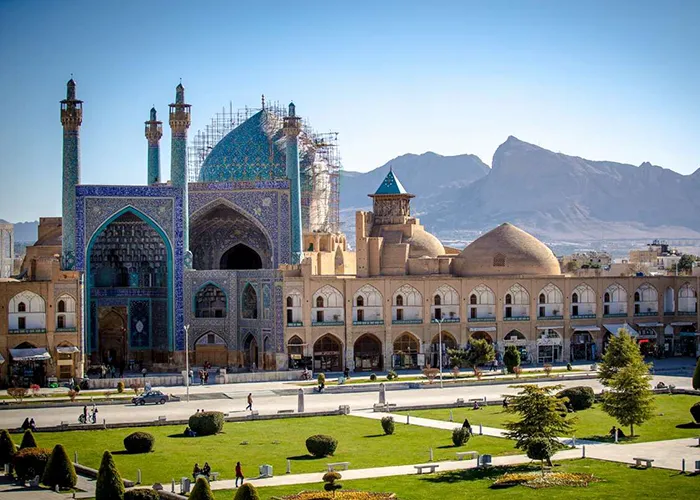
Message for today:
Let every mosque become a house of worship, knowledge, compassion, community service and ethical leadership.
25 August (12 Rabīʿ al-Awwal): The Prophet’s Arrival in Madinah in the Traditional Sīrah Chronology
The Hijrah or Prophet (PBUH) from Makkah to Madinah was a decisive turning point in Islamic history.
The Hijrah teaches Muslims that faith sometimes requires courage, sacrifice, strategic planning and the willingness to leave harmful circumstances in order to build a healthier community. It was not merely a physical migration: it marked the transition from a persecuted minority into a community organised around faith, justice and mutual responsibility.
Message for today:
The true spirit of Hijrah is to move from fear to hope, from division to community, and from injustice towards a life of faith and responsibility.
25 August (1 Shahrivar): Commemoration of Abū ʿAlī Sīnā (Avicenna) and Doctors’ Day
Abū ʿAlī al-Ḥusayn ibn Sīnā (Avicenna), one of the great philosophers and physicians of the medieval Islamic world, made major contributions to medicine, philosophy and the sciences. His Canon of Medicine became an influential medical reference for centuries in both the Muslim world and Europe; in Iran, 1 Shahrivar is commemorated as Doctors’ Day in his honour.
Message for today:
Muslim societies should honour physicians and scientists by cultivating both scientific excellence and the ethical responsibility to serve humanity.
25 August (12 Rabīʿ al-Awwal): The Prophet’s Birthday according to the Sunni Tradition
12 Rabīʿ al-Awwal is observed by Sunni Muslims as the birthday of the Prophet Muhammad (peace and blessings be upon him).
The Prophet’s life provides Muslims with a common moral reference that can help transcend sectarian, ethnic and national divisions. Remembering him should therefore lead not only to expressions of love, but also to the practice of his faith, mercy, justice, truthfulness and concern for humanity.
Message for today:
The best way to celebrate the Prophet is to make his mercy, honesty, justice and compassion visible in our homes, communities and societies.
25 August: Beginning of Unity Week: The Islamic Imperative of Muslim Solidarity
Unity Week is observed from 12 Rabīʿ al-Awwal, the date regarded by Sunni Muslims as the anniversary of the birth of the Prophet Muhammad (peace be upon him), to 17 Rabīʿ al-Awwal, the date regarded by Shia Muslims as the anniversary of his birth.
The concept of Islamic unity and rapprochement among Islamic schools of thought refers to “bringing followers of different Islamic schools closer together for the purpose of mutual understanding, on the basis of established Islamic principles and shared beliefs”. This idea has long been emphasised by Muslim scholars from both the Shia and Sunni traditions. However, from the beginning of the twentieth century, scholars such as Jamal al-Din al-Afghani, Muhammad Abduh, Muhammad Husayn Kashif al-Ghita, Abd al-Majid Salim, Mahmud Shaltut, Muhammad Taqi Qummi, Ayatollah Borujerdi, and ultimately Imam Khomeini gave renewed impetus to the cause of Islamic unity.
Muslims today face challenges that transcend sectarian boundaries: Islamophobia, war, poverty, discrimination, family breakdown, youth alienation and misinformation. The Qur’an calls Muslims to preserve their common bond while allowing legitimate differences of interpretation to exist:
وَاعْتَصِمُوا بِحَبْلِ اللَّهِ جَمِيعًا وَلَا تَفَرَّقُوا
“Hold firmly, all together, to the rope of Allah, and do not be divided.” (Qur’an 3:103)
Unity does not mean denying legitimate theological differences; it means refusing to allow differences to become hatred, injustice or the destruction of the wider Muslim community.
Message for today:
Let our love for the Prophet Muhammad (pbuh) become a bridge of brotherhood rather than a boundary of division.
editor's pick

news via inbox
Subscribe to the newsletter.