Editorial – volume03 Issue03
Courage, Scholarship and Sacred Memory: Lessons from This Week’s Commemorations
Introduction
This week brings events that combine courage, scholarly endeavour and the founding moments of our faith. Reflecting on these anniversaries helps community leaders to connect history with pastoral care, ethical leadership and the promotion of learning.
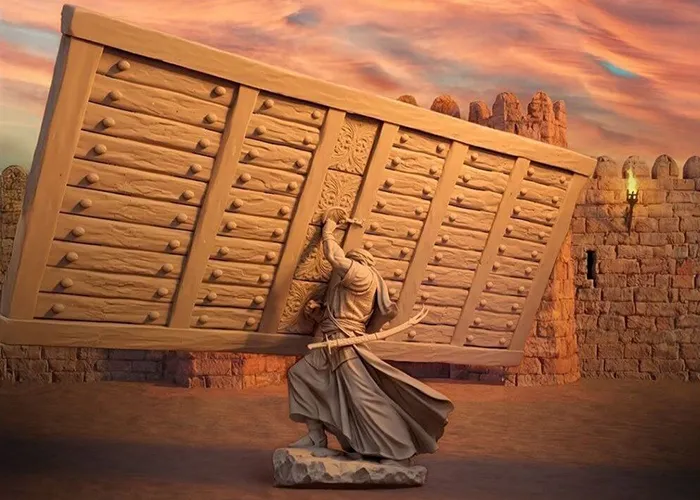
24 Rajab: The Conquest of Khaybar by Imam ʿAlī (as) (7 AH)
Khaybar was a fortified oasis where the Muslim community faced a difficult campaign; Imam ʿAlī is closely associated with the decisive action that led to its fall and the opening of a strategically important area.
The episode highlights disciplined courage, the protection of community security, and fair treatment of the defeated as part of ethical conduct in war. Islam requires restraint, justice and generosity even in conflict.
Message for today: Lead and defend your community with courage tempered by mercy and justice.
25 Rajab: Martyrdom of Imam Mūsā al-Kādhim (pbuh 183 AH)
Imam Mūsā al-Kādhim (pbuh) lived much of his life under Abbasid oppression and imprisonment, remaining steadfast in faith and patient in adversity. His martyrdom stands as a testimony to his enduring commitment to justice, knowledge, and piety.
Imam al-Kādhim (pbuh) emphasised self-awareness, ethical reflection, and aligning one’s actions with God’s guidance. He taught that true understanding requires insight into one’s relationship with God, the purpose of creation, and the paths that lead away from faith:
امام موسی الکاظم (ع): وَجَدْتُ عِلْمَ النّاسِ فی أرْبَعٍ: أوَّلُها أنْ تَعْرِفَ رَبَّکَ، وَالثّانِیةُ أنْ تَعْرِفَ ما صَنَعَ بِکَ، وَ الثّالِثَةُ أنْ تَعْرِفَ ما أرادَ مِنْکَ، وَ الرّابِعَةُ أنْ تَعْرِفَ ما یخْرِجُکَ عَنْ دینِکَ (بحارالانوار، ج ۷۵، ص ۳۲۸)
Imam Musa Al-Kadhim(as): “I found the knowledge of mankind in four things: first, to know your Lord; second, to know what He has created you for; third, to know what He wills from you; and fourth, to know what can lead you away from your religion.”
This teaching is especially relevant today as Muslims navigate complex social and moral challenges. It encourages reflection on personal purpose, ethical decision-making, and vigilance against influences that may lead one astray from faith.
Message for today: Reflect on your purpose and actions daily, seeking to align them with God’s guidance and staying mindful of what may lead you away from your faith.
25 Rajab: Founding of the Qom Seminary by ʿAbd al-Karīm Ḥāʾirī
The establishment of the seminary in Qom by Sheikh ʿAbd al-Karīm Ḥāʾirī marked a major revival of Shi‘i religious learning and became a centre for juristic training and intellectual life.
Institutional centres of learning sustain religious knowledge and leadership; supporting scholarship helps communities respond wisely to modern challenges.
Message for today: Invest in trustworthy religious education to prepare future leaders.
26 Rajab: Passing of Allamah Muhammad-Taqi Jaʿfari
Muhammad-Taqi Jaʿfari (d. 2000s) was a contemporary Muslim scholar known for his work in theology, philosophy and engagement with modern social issues.
His legacy highlights the importance of scholarship that converses with modern thought while rooted in revelation. Islamic learning must address contemporary social and ethical questions.
Message for today: Encourage scholarship that bridges tradition and contemporary realities.
27 Rajab: The Beginning of the Prophet’s Mission (Biʿthah)
The Biʿthah marks the moment when the Prophet (peace be upon him) received revelation and began his prophetic mission – an event that changed human history.
The Prophet is presented in the Qur’an as the exemplar for believers’ character and conduct:
لَقَدْ كَانَ لَكُمْ فِي رَسُولِ اللَّهِ أُسْوَةٌ حَسَنَةٌ
“Indeed, in the Messenger of Allah you have an excellent example.” (Surah al-Aḥzāb 33:21)
Message for today: Present the Prophet as a practical role model for ethics, service and spiritual discipline.
28 Rajab: The First Prayer in Islamic Tradition (Year of the Elephant)
Prayer in the noble religion of Islam is introduced as the pillar and foundation of faith. In the adhān and iqāmah we say, “Ḥayya ʿalā khayr al-ʿamal” (“Hasten to the best of deeds”), and in the narrations we read that the acceptance of prayer is a prerequisite for the acceptance of all other acts of worship and human deeds.
Why is this so? Because prayer places us in a position of direct conversation with the Infinite Creator – a moment that can draw us closer to true servitude to God, who is the source of all goodness in existence.
Message for today: Make praying at the earliest time a valued and important practice for yourself and your family.
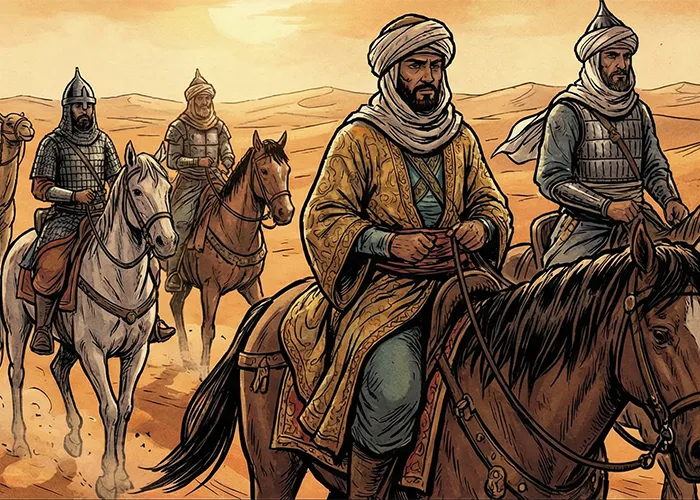
28 Rajab: Imam Ḥusayn’s Departure from Madīnah to Mecca (60 AH)
Imam Ḥusayn’s journey from Madīnah towards Makkah and then to Karbala was a deliberate act of moral witness that culminated in the events of Karbala.
His stance teaches principled resistance to injustice and the moral cost of speaking truth to power; Muslims are urged to resist oppression while preserving dignity.
Message for today: Courageously defend justice and truth, even when the cost is high.
editor's pick

news via inbox
Subscribe to the newsletter.