Editorial – volume 03 Issue 32
Islamic Guidance for the Challenges of Our Time
Introduction:
Every week presents believers with an opportunity to reconnect history with responsibility. The commemorations of this week remind us that Islamic history is not merely a record of past events but a living source of moral guidance. They invite Muslim leaders, educators, imams, and communities to draw timeless lessons from the lives of the Prophets, the Ahl al-Bayt (peace be upon them), and the experiences of the early Muslim community, enabling them to respond wisely to the ethical challenges of our own age.
22 Ṣafar: The Issuance of the Blessed Letter (Tawqīʿ) of Imam al-Mahdī (may Allah hasten his reappearance) to Shaykh al-Mufīd (420 AH)
Among the most significant historical documents of the Minor Occultation are the letters sent by Imam al-Mahdī (ʿaj) to the eminent scholar Shaykh al-Mufīd. In these letters, the Imam expressed his care for the believing community, praised sincere scholars, and reminded Muslims that his guidance continues despite his occultation.
The correspondence demonstrates that knowledgeable and righteous scholars play a vital role in preserving religion during times of uncertainty. Islam values scholarship that is accompanied by sincerity and service to humanity.
Message for Today: Support authentic scholarship and remain connected to trustworthy religious guidance.
5 August (14 Mordād): Islamic Human Rights and Human Dignity Day
In 2008, following a proposal by the Islamic Republic of Iran, the Organisation of Islamic Cooperation (OIC) designated 5 August (14 Mordad) – the anniversary of the adoption of the Cairo Declaration on Human Rights in Islam – as the “Islamic Human Rights and Human Dignity Day.”
Under this resolution, OIC Member States agreed to commemorate this occasion annually at the national level, promoting awareness of Islamic perspectives on human rights and the inherent dignity of every human being.
Human rights in Islam are inseparable from moral responsibility, justice, and accountability before God.
Message for Today: Defend human dignity while recognising that rights and responsibilities always go together.
8 August (17 Mordād): Journalists’ Day
This day honours journalists and media professionals, recognising their sacrifices in informing society and, in many cases, giving their lives while reporting the truth.
In an age of misinformation, sensationalism, and digital manipulation, truthful reporting has become a moral obligation. Islam strongly condemns spreading unverified information. Allah says:
يَا أَيُّهَا الَّذِينَ آمَنُوا إِنْ جَاءَكُمْ فَاسِقٌ بِنَبَإٍ فَتَبَيَّنُوا أَنْ تُصِيبُوا قَوْمًا بِجَهَالَةٍ فَتُصْبِحُوا عَلَى مَا فَعَلْتُمْ نَادِمِينَ
“O you who believe! If a rebellious or unreliable person comes to you with news, verify it carefully, lest you harm people out of ignorance and then become regretful for what you have done.” (Surah Al-Hujurāt, 49:6)
Message for Today: Share only verified information and promote truth over popularity.
11 August (20 Mordād): Endowment (Waqf) Day
Throughout Islamic civilisation, charitable endowments (awqāf) funded schools, hospitals, libraries, mosques, water systems, and care for the poor, becoming one of Islam’s greatest institutions for sustainable social welfare.
Modern Muslim communities continue to need sustainable charitable institutions rather than temporary assistance. Waqf embodies long-term thinking and collective responsibility.
The Prophet (peace and blessings be upon him and his family) said:
قَالَ رَسُولُ اللَّهِ (ص): إِذَا مَاتَ اِبْنُ آدَمَ اِنْقَطَعَ عَمَلُهُ إِلاَّ مِنْ ثَلاَثٍ: صَدَقَةٍ جَارِيَةٍ، أَوْ عِلْمٍ يُنْتَفَعُ بِهِ، أَوْ وَلَدٍ صَالِحٍ يَدْعُو لَهُ.
“When the son of Adam dies, his deeds come to an end except for three: ongoing charity, beneficial knowledge from which people continue to benefit, and a righteous child who prays for him.” (Al-Kāfī, Vol. 4, p. 25)
Message for Today: Invest in lasting projects that continue benefiting future generations.
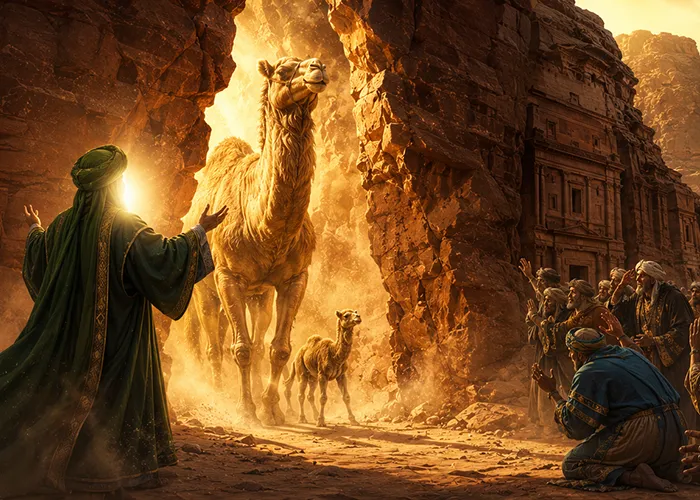
23 Ṣafar: The Hamstringing of Prophet Ṣāliḥ’s She-Camel by His People
The people of Thamūd rejected Prophet Ṣāliḥ (peace be upon him) despite witnessing the miraculous she-camel sent by Allah as a clear sign. Their deliberate act of killing the camel symbolised open rebellion against Divine guidance.
Message for Today: Reject arrogance and respect the limits established by God.
23 Ṣafar: Prophet Yūnus (Jonah) in the Belly of the Whale
After leaving his people before receiving Divine permission, Prophet Yūnus (peace be upon him) was swallowed by a great fish. Inside the darkness, he sincerely repented and Allah mercifully rescued him.
Message for Today: Never lose hope; sincere repentance always opens the door to Divine mercy.
24 Ṣafar: The Intensification of the Illness of the Messenger of Allah (peace be upon him and his family)
During the final days of his earthly life, the illness of the Prophet Muhammad (peace be upon him and his family) became more severe. Despite his condition, he continued advising the Muslim community concerning unity, justice, prayer, and responsibility.
The Prophet’s final days remind believers that true leadership is characterised by service until the very end. His concern remained the moral and spiritual welfare of the Ummah rather than personal comfort. Allah says:
لَقَدْ جَاءَكُمْ رَسُولٌ مِنْ أَنْفُسِكُمْ عَزِيزٌ عَلَيْهِ مَا عَنِتُّمْ حَرِيصٌ عَلَيْكُمْ بِالْمُؤْمِنِينَ رَءُوفٌ رَحِيمٌ
“There has certainly come to you a Messenger from among yourselves. Your suffering weighs heavily upon him; he is deeply concerned for your well-being, and to the believers he is most compassionate and most merciful.” (Qur’an 9:128)
Message for Today: Serve your community with sincerity and compassion until your final breath.
26 Ṣafar: The Fall of the Umayyad Dynasty (132 AH)
The Umayyad rule ended in 132 AH with the victory of the Abbasid revolution. The collapse followed decades of political unrest, injustice, and widespread dissatisfaction among various Muslim communities.
Message for Today: Justice sustains societies; oppression ultimately destroys them.
27 Ṣafar: The Appointment of Usāmah ibn Zayd to Lead the Muslim Army towards the Byzantine Frontier
Near the end of his life, the Prophet Muhammad (peace be upon him and his family) appointed the young Usāmah ibn Zayd to command an expedition against the Byzantine frontier. Despite criticism because of his youth, the Prophet firmly upheld his appointment.
Message for Today: Empower qualified young people and judge leadership by character and competence rather than age.
editor's pick

news via inbox
Subscribe to the newsletter.