Editorial – volume 03 Issue 21
100 Weeks of Faith, Reflection, and Responsibility
Introduction
In every age, believers are tested not only by what they remember, but by how they transform memory into moral action. The sacred occasions of this week remind us that Islam is not merely a religion of rituals and recollections; it is a living civilisation of ethical courage, knowledge, sacrifice, compassion, and human dignity.
A Milestone: The 100th Issue of Our Weekly Magazine
This edition marks the publication of the 100th issue of our weekly magazine. Reaching this milestone is both a blessing and a responsibility. Over these one hundred issues, we have sought to help imams, educators, community leaders, and cultural activists connect contemporary life with Islamic guidance rooted in the Qur’an and the teachings of the Ahl al-Bayt (peace be upon them).
Among the most important lessons we have learned are:
- Communities are deeply in need of thoughtful and balanced Islamic guidance that addresses modern ethical challenges without losing spiritual authenticity.
- Historical Islamic occasions become transformative when linked to present-day moral and social realities.
- Young generations respond positively when Islam is presented as a source of wisdom, compassion, justice, and intellectual depth rather than mere formalism.
The feedback we have received from readers across mosques, Islamic centres, schools, and educational institutions has been encouraging and humbling. Many readers have informed us that these weekly reflections have helped them prepare sermons, classroom discussions, youth programmes, and family conversations with greater confidence and relevance.
As we begin the journey beyond the 100th issue, we hope to deepen the magazine’s educational impact by:
- expanding practical teaching resources for educators and preachers,
- strengthening engagement with contemporary ethical issues,
- increasing attention to youth concerns and family challenges,
- and promoting a spiritually grounded yet intellectually confident Islamic discourse.
We ask Allah Almighty to accept this humble effort and make it beneficial for His servants.
5 Dhu al-Hijjah: The Battle of Sawiq (2 AH)
The Battle of Sawiq occurred when Abu Sufyan attempted a retaliatory raid against Madinah after the Quraysh’s defeat at Badr. The attack ultimately failed, and the enemy fled while abandoning sacks of sawiq (barley meal), from which the battle derived its name.
This event demonstrated the ongoing hostility faced by the early Muslim community and the importance of vigilance, unity, and preparedness. Islam teaches believers to combine trust in Allah with strategic responsibility and communal discipline. The Qur’an states:
وَأَعِدُّوا لَهُم مَّا اسْتَطَعْتُم مِّن قُوَّةٍ
“Prepare against them whatever force you can.” (Qur’an 8:60)
Message for Today: Muslim communities must combine spiritual resilience with social awareness and responsible preparedness.
7 Dhu al-Hijjah: Martyrdom of Imam Muhammad al-Baqir (a.s.) (114 AH)
Imam Muhammad al-Baqir (peace be upon him), the fifth Imam (pbuh) of the Ahl al-Bayt (pbut), was martyred by poisoning under the Umayyad ruler Hisham ibn Abd al-Malik. He played a foundational role in expanding Islamic scholarship and preserving authentic teachings. Imam al-Baqir (pbuh) lived during a period of political corruption and intellectual confusion, yet he responded through knowledge, wisdom, and education. In our age of misinformation and superficiality, his example reminds Muslims that knowledge is a sacred form of resistance.
Message for Today: Building knowledgeable and ethically grounded communities is one of the greatest responsibilities of our time.
8 Dhu al-Hijjah: The Day of Tarwiyah
The Day of Tarwiyah marks the beginning of the spiritual movement of Hajj rituals, when pilgrims prepare themselves inwardly and outwardly before proceeding towards Arafat. This day symbolises preparation before transformation. Islam teaches that meaningful change – spiritual, educational, or social – requires reflection, planning, and sincere intention.
Message for Today: No lasting reform can succeed without spiritual preparation and sincere intention.
8 Dhu al-Hijjah: Imam Husayn (a.s.) Leaves Makkah for Iraq (60 AH)
On this day, Imam Husayn (peace be upon him) departed from Makkah towards Iraq after refusing allegiance to Yazid’s unjust rule. His journey would ultimately lead to Karbala. Imam Husayn (pbuh) transformed political resistance into a timeless moral movement. In an age where truth is often sacrificed for convenience, his stand teaches Muslims that dignity and justice must never be abandoned. Imam Husayn (pbuh) declared:
إِنِّي لَمْ أَخْرُجْ أَشِرًا وَلَا بَطِرًا… إِنَّمَا خَرَجْتُ لِطَلَبِ الْإِصْلَاحِ فِي أُمَّةِ جَدِّي
“I did not rise out of arrogance or corruption… rather, I rose to seek reform in the nation of my grandfather.” (Bihar al-Anwar, vol. 44, p. 329)
Message for Today: Moral courage and principled leadership remain essential in confronting injustice.
9 Dhu al-Hijjah: Acceptance of the Repentance of Prophet Adam (a.s.)
According to narrations, this day is associated with the acceptance of Prophet Adam’s repentance after his sincere turning back to Allah. Islam never closes the door of repentance. In a world burdened by despair, guilt, and moral confusion, the story of Adam reminds humanity that divine mercy is greater than human failure.
Message for Today: Every individual and society can renew itself through sincere repentance and moral reform.
9 Dhu al-Hijjah: The Day of Arafah
The Day of Arafah is among the greatest days in Islam, marked by prayer, repentance, supplication, and spiritual reflection during Hajj. Arafah teaches humility before Allah and compassion towards humanity. In a fragmented and distracted world, this day revives the believer’s connection to God, conscience, and accountability.
Message for Today: True spirituality should deepen humility, ethical awareness, and compassion for others.
9 Dhu al-Hijjah: The Event of Sadd al-Abwab (2 AH)
The event of Sadd al-Abwab refers to the Prophet Muhammad’s command that all doors opening into the mosque be closed except the door of Imam Ali (a.s.), signifying his unique spiritual status and closeness to the Prophet (pbuh). This occasion highlights the importance of purity, loyalty, and spiritual merit in Islamic leadership. Islam does not define leadership merely through power, but through integrity and nearness to divine values. The Prophet (pbuh) said regarding Imam Ali (pbuh):
أَنْتَ مِنِّي بِمَنْزِلَةِ هَارُونَ مِن مُّوسَى
“You are to me as Aaron was to Moses.” (Bihar al-Anwar, vol. 37, p. 254)
Message for Today: Leadership in Muslim communities must be rooted in integrity, wisdom, and spiritual authenticity.
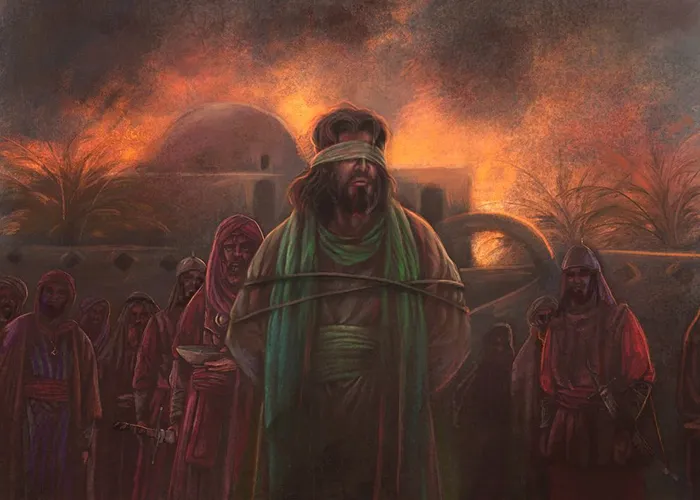
9 Dhu al-Hijjah: Martyrdom of Hazrat Muslim ibn Aqil (pbuh) and Hani ibn Urwah (60 AH)
Hazrat Muslim ibn Aqil (pbuh), the envoy of Imam Husayn (pbuh), and Hani ibn Urwah were martyred in Kufa after standing against tyranny and betrayal.
Their martyrdom exposes the danger of fear-driven silence and political opportunism. Islam honours those who remain loyal to truth even in times of isolation and intimidation.
Message for Today: Faithfulness to truth must not depend on public pressure or political convenience.
31 Ordibehesht (21 May): Organ Donation Day – “Donation of Organs, Donation of Life”
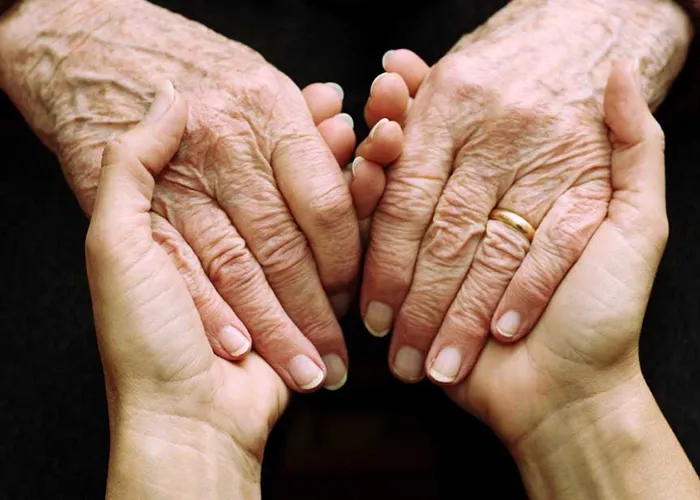
This day promotes awareness about organ donation and saving lives through medical generosity and compassion. Islam places immense value on preserving human life. Many contemporary Muslim scholars have permitted organ donation when conducted ethically and with respect for human dignity.
Message for Today: Serving humanity and saving lives are among the noblest expressions of faith.
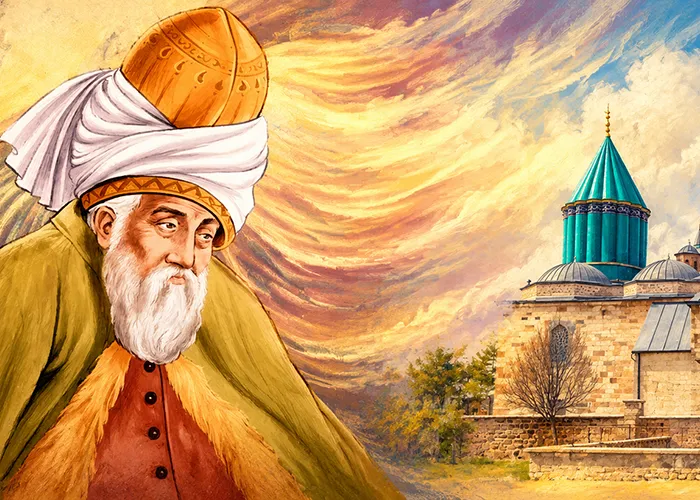
1 Khordad: Commemoration Day of Mulla Sadra
Mulla Sadra, the great Muslim philosopher and theologian, profoundly influenced Islamic philosophy through his synthesis of intellect, spirituality, and revelation. His legacy reminds Muslims that faith and reason are not enemies. In a world suffering from both shallow secularism and anti-intellectual extremism, Islamic civilisation must revive deep thinking and ethical wisdom. Mulla Sadra famously believed that true knowledge transforms the soul, not merely the mind.
Message for Today: Muslim societies must nurture both intellectual excellence and spiritual depth.
21 May: World Day for Cultural Diversity for Dialogue and Development
Established by the United Nations, this day encourages respect for cultural diversity and constructive dialogue among peoples and civilisations.
Islam recognises diversity as part of Allah’s wisdom and calls humanity towards mutual understanding rather than hatred and division. The Qur’an states:
يَا أَيُّهَا النَّاسُ إِنَّا خَلَقْنَاكُم مِّن ذَكَرٍ وَأُنثَىٰ وَجَعَلْنَاكُمْ شُعُوبًا وَقَبَائِلَ لِتَعَارَفُوا
“O humanity, We created you from male and female and made you peoples and tribes so that you may know one another.” (Qur’an 49:13)
Message for Today: Dialogue, mutual respect, and ethical coexistence are essential Islamic values in our interconnected world.
editor's pick

news via inbox
Subscribe to the newsletter.