Inspirational Tales – Volume03 Issue02

The Whispered Du‘a of Patience, The Story of Prophet Ayub (as)
There was a man whose life once overflowed with ease. Health wrapped his body, children filled his home with laughter, and wealth rested quietly in his hands. This man was Prophet Ayub (as). Yet his greatest gift was not what he owned, but the heart that remembered Allah (swt) in every moment.
Then the test began.
One by one, blessings were taken away. His wealth vanished. His children were returned to their Lord. His body was struck with illness, so severe that even standing became a struggle. Days blended into years, and pain became his constant companion. Still, Ayub (as) did not complain. His tongue did not curse fate, and his heart did not turn away.
People who once gathered around him slowly disappeared. Some whispered that this suffering must be punishment. Others could not bear to look at a man so broken. Only his faithful wife remained, serving him, supporting him, watching his strength fade while his faith remained unshaken.
Through it all, Ayub (as) continued to remember Allah (swt). Not loudly. Not dramatically. His patience was quiet, dignified, and deeply sincere. He did not demand relief, nor did he question divine wisdom. His heart understood something rare, that Allah (swt) is near even in pain, and especially in silence.
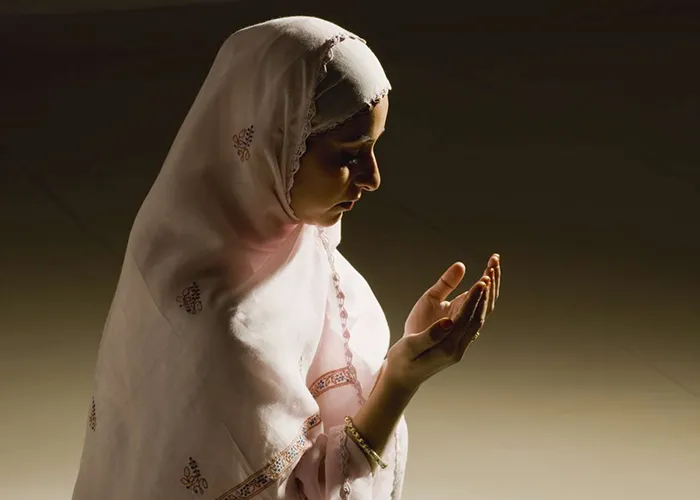
Only when his strength was nearly gone did Ayub (as) raise his hands in a whisper of du‘a. He did not list his losses. He did not describe his pain. He simply said that hardship had touched him, and that Allah (swt) is the Most Merciful of the merciful.
That was enough.
Allah (swt) responded, not with delay, but with mercy. Ayub (as) was instructed to strike the ground, and from it flowed healing water. His body was restored. His strength returned. His dignity was renewed. What he had lost was returned, multiplied, and blessed.
But the true miracle was not the healing. It was the patience that came before it.
The story of Ayub (as) teaches us that faith does not mean the absence of pain. It means trusting Allah (swt) while the pain remains. That du‘a does not always need many words. And that endurance, when carried with sincerity, is beloved to Allah (swt).
Sometimes, the greatest worship is simply not letting go.

news via inbox
Subscribe to the newsletter.