Editorial – volume 03 Issue 45
The Moral Compass of Knowledge: Educating Minds, Building Peace
Introduction:
Every age faces a defining question: how can human knowledge be transformed into wisdom, and human progress into a force for the common good? Islam offers a profound answer: knowledge must be accompanied by moral responsibility, and education must ultimately serve humanity. This week’s occasions invite us to reflect on the enduring relationship between education, ethical leadership, scientific progress and peace.
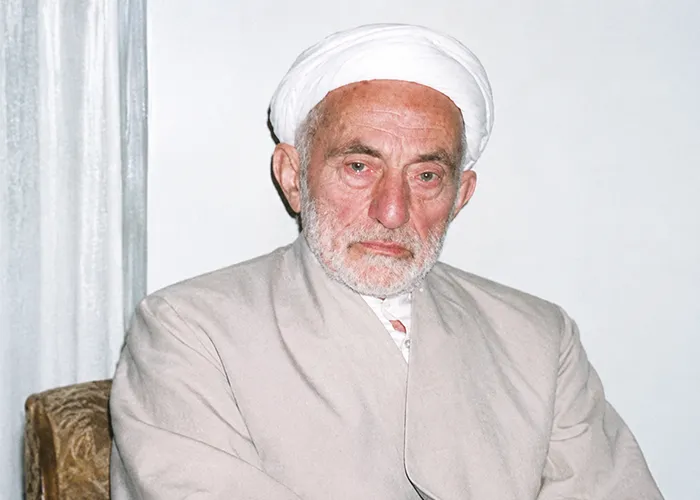
30 Jumada al-Awwal: Anniversary of the Passing of Allameh Ali-Asghar Karbaschian
Allameh Ali-Asghar Karbaschian (1914-2003), a distinguished Iranian scholar, educator and religious thinker, devoted his life to Islamic education and character formation. Among his most significant achievements was the establishment of Alavi High School in Tehran in 1956, in collaboration with the renowned educator Reza Roozbeh. He also helped make religious knowledge more accessible through his work on Tawzih al-Masa’il and sought to educate a generation of academically accomplished, ethically grounded and socially responsible individuals.
At a time when education is often measured by qualifications, professional success and economic achievement, Karbaschian’s legacy reminds us that education must also cultivate faith, integrity, humility and service. The Prophet Muhammad (peace be upon him) emphasised the transformative value of guiding others:
لَأَنْ يَهْدِيَ اللَّهُ بِكَ رَجُلًا وَاحِدًا خَيْرٌ لَكَ مِمّا طَلَعَت عَليهِ الشَّمسُ (المستدرك على الصحيحين : 3/ 691/ 6537)
” If Allah guides even one person through you, it is better for you than everything upon which the sun rises.” (Al-Mustadrak ‘ala al-Sahihayn, Vol. 3, p. 691, Hadith No. 6537)
This Prophetic teaching, which deeply influenced Karbaschian’s educational mission, highlights the immeasurable value of human guidance. From an Islamic perspective, a teacher’s responsibility extends beyond transferring information: it involves nurturing sound judgement, moral character and a sense of accountability before God.
Message for Today: Let us measure educational success not merely by what students know or achieve, but also by the goodness they bring to themselves, their communities and humanity.
9 – 15 November: International Week of Science and Peace
In an era of rapid technological transformation, artificial intelligence, environmental challenges and increasingly sophisticated weapons, this occasion reminds us that scientific advancement must be guided by ethical principles and directed towards human dignity, justice and peaceful coexistence. Islam encourages the pursuit of knowledge while emphasising its responsibility towards creation. The Qur’an repeatedly invites humanity to reflect upon the universe and seek understanding. Allah says:
وَقُل رَّبِّ زِدْنِي عِلْمًا
“And say: My Lord, increase me in knowledge.” (The Qur’an, 20:114)
This concise supplication establishes the pursuit of knowledge as a lifelong aspiration. Yet knowledge must also be accompanied by wisdom and responsibility. Scientific discoveries should not become instruments of oppression, destruction or exploitation; rather, they should contribute to human faith, welfare, environmental protection and the peaceful resolution of global challenges.
Message for Today: Let us pursue scientific excellence with moral and faith awareness, support knowledge that benefits humanity, and ensure that progress serves peace rather than conflict.
editor's pick

news via inbox
Subscribe to the newsletter.