Ayah Of The Week – Volume 03 Issue 21
The Triangle of True Tawbah
Introduction & The occasion of reflecting on this verse:
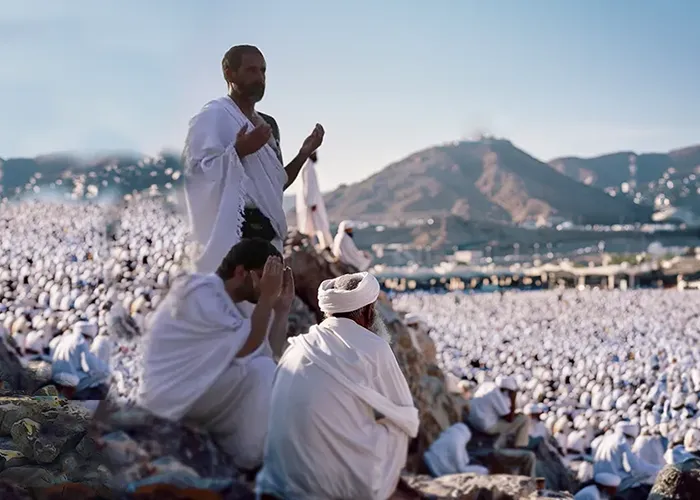
The ninth of Dhul-Hijjah, the Day of ‘Arafah, is a day of mercy, forgiveness, and return to Allah. It is also remembered as the day on which the repentance of Prophet Adam (peace be upon him) was accepted. On this blessed occasion, the Qur’ān teaches that true repentance is not only regret, but also faith and righteous action which lead to real change.
«إِلَّا مَنْ تَابَ وَآمَنَ وَعَمِلَ عَمَلًا صَالِحًا فَأُولَئِكَ يُبَدِّلُ اللَّهُ سَيِّئَاتِهِمْ حَسَنَاتٍ وَكَانَ اللَّهُ غَفُورًا رَحِيمًا»
“Except for those who repent, believe, and do righteous deeds; for them Allah will replace their evil deeds with good deeds. And Allah is Ever-Forgiving, Most Merciful.”
(Sūrah al-Furqān, 25:70)
Educational Lessons from the Verse for Teens and Youth
- Let Your Tonguye, Heart, and Actions Match
Real tawbah is not only saying “Astaghfirullāh”. It means the tongue asks forgiveness, the heart truly turns back to Allah and hates the sin, and the actions begin to improve.
Practical challenge: Choose one mistake you often repeat and write down one change in speech, one change in thinking, and one change in behaviour related to it.
- Do Not Pretend to Change – Actually Change
Allah wants sincere transformation, not temporary emotions or empty words.
Practical challenge: For one week, focus on stopping one repeated sin instead of only regretting it afterwards.
- Do Not Ignore the Damage of Sin
True repentance includes trying to repair what was damaged.
Practical challenge: Think of one person you may have hurt and take one step towards apologising or making things right.
- Good Deeds Help Heal the Heart
Righteous actions are not extra; they are part of rebuilding yourself after mistakes.
Practical challenge: After every mistake this week, immediately do one positive action.
- Replace Harmful Habits with Beneficial Ones
Leaving a bad habit becomes easier when you fill the space with something meaningful.
Practical challenge: Replace one hour of unhealthy screen time with reading, exercise, worship, or helping family.
- Fix What You Can While You Still Have Time
Delaying repentance and repair can make problems grow bigger.
Practical challenge: Choose one unfinished responsibility or unresolved mistake and deal with it this week.
- Do Not Lose Hope Because of Failure
Allah values sincere effort and return to Him.
Practical challenge: Spend five minutes each night reviewing one good action and one mistake from your day.
- Do Not Let Society Define Your Future
Many young people are labelled by past mistakes, wrong social norms, or online reputation. Allah judges people by sincere repentance and growth, not by permanent labels.
Practical challenge: Stop defining yourself by one past mistake and write down three qualities you want to build instead.
- Correct Yourself Before Blaming Others
It is easy to criticise society while ignoring personal weaknesses.
Practical challenge: Before criticising someone else this week, identify one thing you personally need to improve.
Educational Lessons from the Verse for Parents
- Real Tawbah Changes the Home
When parents sincerely return to Allah, priorities, routines, and family culture begin to change.
Practical challenge: Identify one habit in your home that does not reflect your Islamic values and begin changing it this week.
- Children See the Truth of Our Hearts
Allah links repentance and faith with righteous action. Children are shaped more by what parents do than what they say.
Practical challenge: Choose one behaviour your children need to see improving in you and work on it daily.
- Your Past Does Not Define Your Parenting
Allah can replace past mistakes with goodness. No parent is beyond renewal through sincere tawbah.
Practical challenge: Spend five quiet minutes asking Allah to turn your parenting mistakes into future goodness and guidance.
- One Good Deed Can Change a Family
A sincere act done for Allah can reshape the atmosphere of an entire home.
Practical challenge: After one parenting mistake this week, follow it immediately with one act of patience, mercy, or kindness.
Educational Lessons from the Verse for Imams and Teachers
- Preach Mercy and Responsibility Together
People need to hear both Allah’s forgiveness and the seriousness of returning to Him properly.
Practical challenge: Include one message of hope and one practical step of repentance in your next talk.
- Make Tawbah Practical
Repentance should be explained as a process: 1. Stop the sin, 2. Strengthen believe in Allah, 3. Repair the damage, and 4. Do good.
Practical challenge: End your next lesson with one clear action people can begin immediately.
- Speak to the Real Problems of Today
Young Muslims are facing online sins, loneliness, identity pressure, and confusion about values.
Practical challenge: Address one modern struggle directly in your next sermon or class.
- Build Safe Spaces for Returning People
Mosques and classrooms should feel open to those who are trying to come back.
Practical challenge: Personally welcome one person who has been distant from religious circles.
- Teach That Deeds Can Transform Character
This verse does not only forgive the past; it inspires a better future.
Practical challenge: Encourage your audience to attach one lasting good deed to their repentance.
editor's pick

news via inbox
Subscribe to the newsletter.