Editorial – volume03 Issue04
Faith, Knowledge, and Moral Preparation: Lessons from the Days of Shaʿbān
Introduction
The coming week brings together key moments of spiritual obligation, moral leadership, sacrifice, and intellectual achievement. Reflecting on these occasions helps Muslim leaders and communities prepare hearts, minds, and behaviour for a more faithful, ethical, and conscious life.
2 Shaʿbān: The Beginning of the Obligation of Fasting (2 AH)
In the second year after Hijrah, the obligation of fasting in the month of Ramadan was prescribed, marking a major turning point in the spiritual discipline of the Muslim community.
Fasting in Islam is not only a ritual act but a means of developing self-control, God-consciousness, and ethical restraint, as clearly stated in the Qur’an:
يَا أَيُّهَا الَّذِينَ آمَنُوا كُتِبَ عَلَيْكُمُ الصِّيَامُ كَمَا كُتِبَ عَلَى الَّذِينَ مِنْ قَبْلِكُمْ لَعَلَّكُمْ تَتَّقُونَ
“O you who believe, fasting has been prescribed for you as it was prescribed for those before you, so that you may become God-conscious.” (Surah al-Baqarah, 2:183)
Message for today: Treat fasting as a tool for moral change, not merely physical restraint.
3 Shaʿbān: The Blessed Birth of Imam Ḥusayn(as) (4 AH)
Imam Ḥusayn ibn ʿAlī (peace be upon him) was born in Madinah and raised in the household of the Prophet, embodying moral courage, compassion, and devotion to justice.
His life represents resistance to oppression and unwavering commitment to truth, reminding Muslims that faith must be lived, even at great cost.
Message for today: Stand for truth and justice, even when it requires sacrifice.
3 Shaʿbān: Passing of Umm Kulthūm, Daughter of the Prophet (7/9 AH)
Umm Kulthūm, the daughter of the Prophet Muhammad (peace be upon him), lived a life of dignity, patience, and closeness to the Prophetic household.
Her life reflects the often-quiet strength of women who supported the early Muslim community through endurance and faith.
Message for today: Honour patience, modesty, and unseen contributions to family and community life.
3 Shaʿbān: Imam Ḥusayn’s Entry into Makkah (60 AH)
Imam Ḥusayn entered Makkah seeking a way to protect Islam and true believers after refusing allegiance to an unjust ruler.
This moment marked the beginning of a conscious moral journey that would culminate in Karbala, highlighting principled decision-making over political convenience.
Message for today: Choose moral clarity over comfort when facing injustice.
4 Shaʿbān: The Birth of Abū al-Faḍl al-ʿAbbās (as) (26 AH)
Abū al-Faḍl al-ʿAbbās (as) was born in Madinah and later became a symbol of loyalty, courage, and selfless service in Karbala.
His character exemplifies devotion to truth, protection of the vulnerable, and unwavering loyalty to righteous leadership.
Message for today: Serve justice and faith with loyalty and selflessness.
5 Shaʿbān: The Birth of Imam Zayn al-ʿĀbidīn (as) (38 AH)
Imam Zayn al-ʿĀbidīn (peace be upon him), survivor of Karbala, became known for deep spirituality, prayer, and moral education through supplication.
His legacy teaches resilience after trauma and the power of worship and ethics in rebuilding individuals and societies.
Message for today: Heal personal and social wounds through spirituality and ethical living.
5 Shaʿbān: Passing of Zakariyyā al-Rāzī (313 AH)
Zakariyyā al-Rāzī was a pioneering Muslim physician and thinker whose contributions shaped medicine and scientific thought.
His life reflects Islam’s encouragement of reason, research, and service to humanity through knowledge.
Message for today: Value science and knowledge as acts of service to God and humanity.
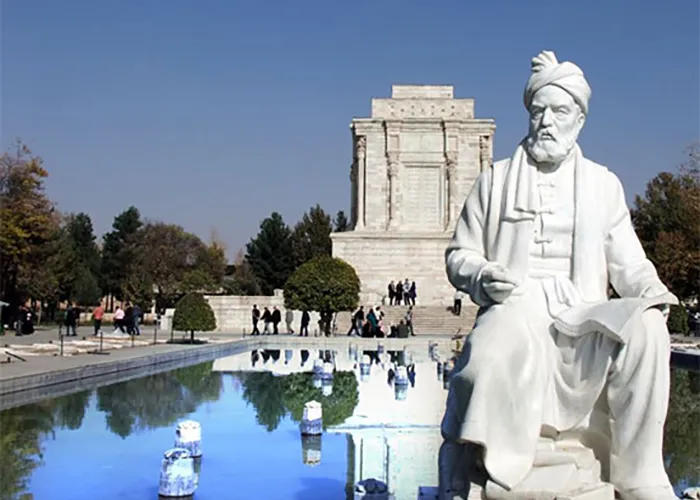
1 Bahman: Birth of Ferdowsi
Ferdowsi, the great Persian poet, preserved cultural identity and moral narratives through the Shahnameh.
His work reminds Muslims of the importance of language, culture, and storytelling in transmitting values across generations.
Message for today: Protect cultural identity while upholding ethical values.
24 January: International Day of Education
This global observance highlights education as a fundamental human right and a key to sustainable development and peace.
Islam strongly emphasises learning, reflection, and the pursuit of knowledge as acts of worship, beginning with the command:
اقْرَأْ بِاسْمِ رَبِّكَ الَّذِي خَلَقَ
“Read in the name of your Lord who created.” (Surah al-ʿAlaq, 96:1)
Message for today: Invest in education that nurtures both intellect and faith.
Closing Reflection
These occasions together remind us that faith, ethics, knowledge, and courage are deeply connected. By engaging with them thoughtfully, today’s Muslim leaders can guide communities towards a more conscious, compassionate, and principled way of life.
editor's pick

news via inbox
Subscribe to the newsletter.