Editorial – volume 03 Issue 46
When History Speaks, Conscience Must Listen
Introduction
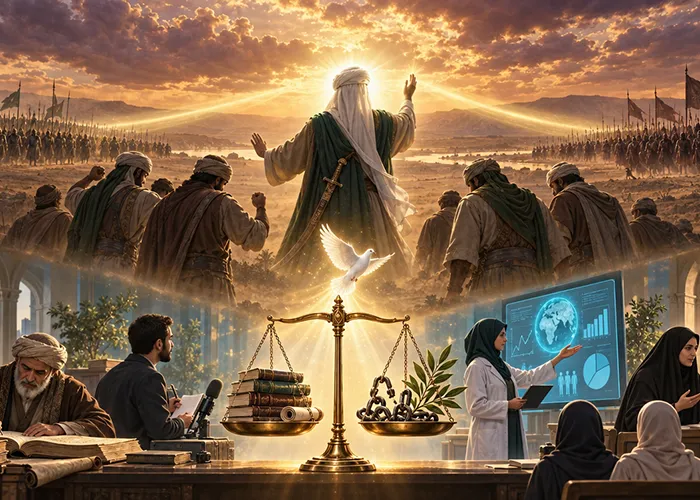
Every generation inherits lessons from those who came before it, but the true value of history lies in its ability to guide the choices we make today. This week’s commemorations invite us to reflect on faith, justice, knowledge, education and tolerance – values that Islam places at the heart of a meaningful and responsible life.
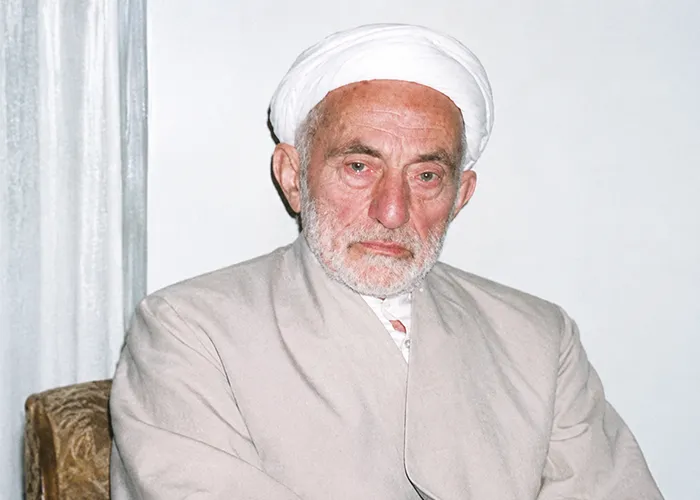
1 Jumada al-Thani: The Demise of Grand Ayatollah Muhammad Fazel Lankarani
Grand Ayatollah Muhammad Fazel Lankarani (1931–2007) was one of the prominent Shia religious authorities of contemporary Iran. Born in Qom, he pursued advanced Islamic studies under distinguished scholars, including Grand Ayatollah Sayyid Husayn Borujerdi and Imam Khomeini, and attained the scholarly rank of ijtihad at a relatively young age.
He devoted decades to teaching Islamic jurisprudence (fiqh) and its principles (usul al-fiqh), training generations of students and authoring numerous scholarly works. He passed away on 16 June 2007 in Qom and was laid to rest at the shrine of Lady Fatimah al-Ma’sumah (peace be upon her).
Islam places great emphasis on the authority of knowledge and the responsibility of scholars to guide society with wisdom. The Qur’an states:
﴿قُلْ هَلْ يَسْتَوِي الَّذِينَ يَعْلَمُونَ وَالَّذِينَ لَا يَعْلَمُونَ﴾
“Say, ‘Are those who know equal to those who do not know?’“ (The Holy Qur’an, 39:9).
Message for Today: Honour the legacy of sincere scholars by pursuing authentic knowledge, thinking critically and ensuring that religious guidance contributes to the intellectual and moral development of society.
1 Jumada al-Thani: The Death of Harun al-Rashid
Harun al-Rashid was one of the most famous and powerful Abbasid caliphs. He used his power to suppress the Shia, imprison Imam Musa al-Kadhim (peace be upon him), and ultimately cause his martyrdom. According to historical accounts, he maintained numerous prisons and was known for his indulgence in drinking and his oppressive rule.
Message for Today: The era of Harun al-Rashid’s caliphate is often regarded as a “Golden Age” because of its scientific and economic advancements and military conquests. However, his oppression of the Shia left a dark stain on his legacy. Let us be mindful not to undo the good we do through acts of injustice and wrongdoing.
3 Jumada al-Thani: The Martyrdom of Lady Fatimah al-Zahra (peace be upon her)
Lady Fatimah al-Zahra (peace be upon her), the beloved daughter of Prophet Muhammad (peace and blessings be upon him and his family), passed away in 11 AH, only a short time after her father’s death. According to the widely observed Shia tradition, her martyrdom took place on 3 Jumada al-Thani, approximately 95 days after the Prophet’s passing.
As the wife of Imam Ali (peace be upon him) and mother of Imam Hasan and Imam Husayn (peace be upon them), she holds an exceptional position in Islamic history. Her life is remembered for her devotion to God, knowledge, generosity, courage and steadfast defence of truth and justice.
The Prophet Muhammad (peace and blessings be upon him and his family) said:
«فَاطِمَةُ بَضْعَةٌ مِنِّي، فَمَنْ أَغْضَبَهَا أَغْضَبَنِي»
“Fatimah is a part of me; whoever angers her has angered me” (Sahih al-Bukhari, Hadith 3714).
This hadith highlights her extraordinary spiritual standing and the importance of respecting her character, rights and dignity.
Message for Today: Let Lady Fatimah’s example inspire us to uphold justice, protect human dignity, strengthen family bonds and remain steadfast in our principles, even in difficult circumstances.
24 Aban / 15 November: Book, Reading and Librarians’ Day
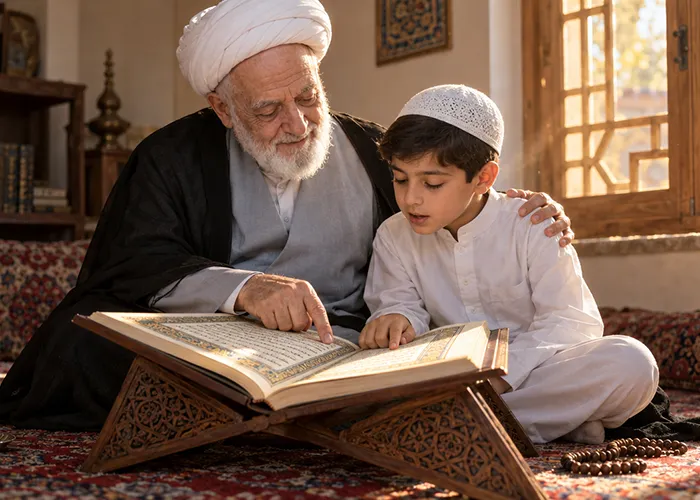
Observed annually on 24 Aban in the Iranian calendar, Book, Reading and Librarians’ Day is a national cultural occasion dedicated to promoting reading, honouring books and recognising the contribution of librarians to society. It also marks the opening of the annual Book Week, during which cultural and educational institutions organise activities to encourage reading and public engagement with literature.
The occasion provides an opportunity to celebrate authors, translators, publishers, librarians, teachers and all those who contribute to the creation, preservation and dissemination of knowledge.
Message for Today: Make reading a daily habit, promote beneficial knowledge and help build homes, schools and communities in which books are valued and learning is lifelong.
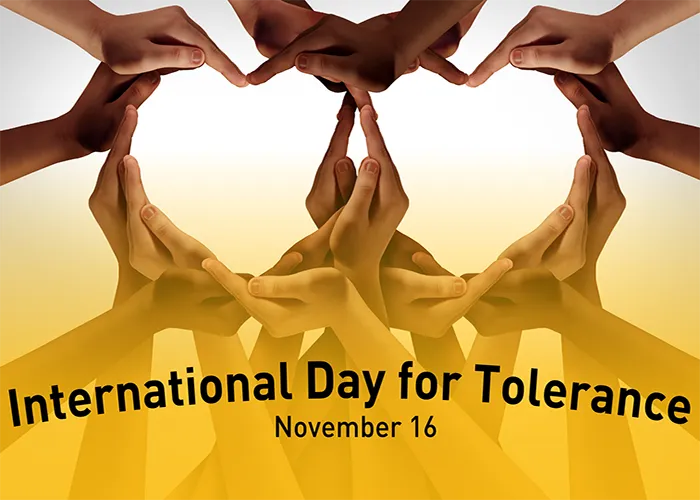
16 November: International Day for Tolerance (UNESCO)
The International Day for Tolerance emphasises respect, acceptance and appreciation of cultural diversity, human dignity and fundamental freedoms. It also stresses that tolerance does not mean indifference or accepting injustice; rather, it requires respect for the rights and freedoms of others.
At a time of increasing polarisation, racism, discrimination and conflict, tolerance is essential for peaceful coexistence and the creation of inclusive societies.
Islam recognises human diversity as part of God’s wisdom and calls upon people to build relationships based on mutual understanding rather than hostility. The Qur’an states:
﴿يَا أَيُّهَا النَّاسُ إِنَّا خَلَقْنَاكُمْ مِنْ ذَكَرٍ وَأُنْثَىٰ وَجَعَلْنَاكُمْ شُعُوبًا وَقَبَائِلَ لِتَعَارَفُوا ۚ إِنَّ أَكْرَمَكُمْ عِنْدَ اللَّهِ أَتْقَاكُمْ ۚ إِنَّ اللَّهَ عَلِيمٌ خَبِيرٌ﴾
“O humanity! Indeed, We created you from a male and a female, and made you into peoples and tribes so that you may know one another. Surely the most noble of you in the sight of Allah is the most righteous among you. Allah is truly All-Knowing, All-Aware.” (The Holy Qur’an, 49:13).
Message for Today: Let us strive not to simply conform to others, but to reflect on the ways in which we differ from them and choose the best course of action, one that is most pleasing to God.
17 November: International Students’ Day
International Students’ Day reminds us that being a student should be a lifelong commitment and an enduring attitude throughout our lives, rather than something limited to formal education in schools and universities.
Islam regards the pursuit of knowledge as a lifelong responsibility and encourages believers to seek understanding with humility and devotion. One of the beautiful supplications taught in the Qur’an is:
﴿وَقُلْ رَبِّ زِدْنِي عِلْمًا﴾
“And say, ‘My Lord, increase me in knowledge.’“ (The Holy Qur’an, 20:114).
This short but profound supplication reflects the Islamic understanding that learning should never cease. Knowledge must also be accompanied by wisdom, ethical awareness and a commitment to the common good.
Message for Today: Support students, defend their right to education and empower the next generation to become knowledgeable, ethical and socially responsible citizens.
editor's pick

news via inbox
Subscribe to the newsletter.